healing

Do You Walk With a Limp?

Do You Walk with a Limp?

"I don't trust a man or woman of God who doesn't walk with a limp."

When Pastor Steve Holt made that statement, it immediately caught my attention.

He was referring to the biblical story of Jacob, who wrestled with God through the night. When the struggle was over, Jacob received a blessing—but he also walked away with a permanent limp. His limp became a reminder that he had encountered God and would never be the same.

That teaching made me stop and ask myself a difficult question:

Do I walk with a limp?    

Do YOU walk with a limp?

Most of us think of a limp as something physical. In my case, that's true. After multiple leg surgeries, I literally walk with a limp. But there are other kinds of limps that aren't nearly as visible.

There are emotional limps from betrayal.
Spiritual limps from seasons of doubt.
Relational limps from broken marriages or estranged children.  
Financial limps after devastating losses.
Mental limps from anxiety, grief, or depression.

Many of us carry wounds that others cannot see.

The interesting thing about Jacob's story is that his limp wasn't simply evidence of pain—it was evidence of perseverance. He wrestled. He struggled. He refused to let go until God blessed him.

That's what encourages me.

When we've wrestled, we've already won something.

Not because life suddenly becomes easy, but because wrestling changes us.

When we don't quit, our struggles often become the birthplace of wisdom. They produce compassion we didn't have before. They deepen our faith. They give us testimonies that can encourage someone else who is still fighting their own battle.

After trouble often comes triumph—not always in the way we expected, but in the form of new insights, stronger character, deeper dependence on God, and a greater appreciation for His faithfulness.

That same Sunday morning, I heard this song which captures this truth better than almost any other.

A Hallelujah in the Middle of the Storm

The worship song "Raise a Hallelujah" by Bethel Music wasn't written in a recording studio. It was born in a hospital room.

In 2017, two-year-old Jaxon Taylor, the son of Bethel Music CEO Joel Taylor, was critically ill with a severe E. coli infection. His organs were shutting down, and doctors feared he would not survive the night.

As family and friends prayed, worship leaders Jonathan David and Melissa Helser felt inspired to sing words of faith instead of fear. They quickly recorded the chorus on a phone and sent it to Joel, who played it over his son's hospital bed.

Listen to the powerful words:

I raise a hallelujah, in the presence of my enemies...
My weapon is a melody...
I'm gonna sing, in the middle of the storm...
Up from the ashes, hope will arise...
Death is defeated, the King is alive!

The song became more than music—it became a declaration of hope in the middle of impossible circumstances.  

Against all expectations, Jaxon recovered.

What strikes me most is that they didn't wait until the miracle happened to praise God.

They praised Him during the storm.

How often do we wait until life gets better before we worship?

Jacob didn't receive his blessing without wrestling.

Jaxon didn't receive healing without a battle.

And neither do we.

What's Your Limp?
Maybe you've wrestled with God because you couldn't understand why He allowed something painful.

Maybe you've wrestled with your spouse, wondering if your marriage would survive.

Maybe you've wrestled with your children, praying they'll find their way back to faith.

Maybe you've wrestled with loneliness, addiction, disappointment, fear, or your own internal doubts.

Whatever your struggle has been, chances are you've come away with a limp.

Some limps remind us of painful memories.

Others remind us of God's incredible faithfulness.

Perhaps they're both.

The beautiful thing about a limp is that it reminds us we didn't escape life untouched—but we also didn't quit.

Our scars tell a story.

Our limps testify that we've survived.

And our testimonies become hope for someone else who is still in the middle of their storm.

So today I want to leave you with two questions:

What have you wrestled with?

And what is your limp?

I'd love to hear your story in the comments. Your experience—whether you're still in the wrestling match or looking back on God's faithfulness—may be exactly the encouragement someone else needs today.

Sometimes our greatest weakness becomes our greatest witness.
When Childhood Trauma Drives Your Love Life

They say if you don’t address your childhood trauma, your romantic relationships will. And whoever they are – they nailed it.

That’s not just a catchy line; it’s a reality for so many people, especially those who grew up in emotionally chaotic homes. JD Vance, in his book Hillbilly Elegy graphically describes how this crazy cycle develops and how it impacts your adult life:

• He learned the very traits that helped him survive during childhood didn’t help him succeed as an adult. He’d see conflict and run away or prepare for battle.

• He learned early on to spread out his money lest his mother or someone else find and “borrow” it. Later in life Usha, his wife, was shocked to discover he had multiple bank accounts and small past-due balances on credit cards.

• Usha also had to remind him that not every perceived slight – from a passing motorist or a neighbor critical of his dogs – is cause for a blood feud.

Childhood Trauma Teaches you “Truths” That Aren’t True:

Things like:

• “I’m not good enough”

• “Love has to be earned”

• “People who love me leave”

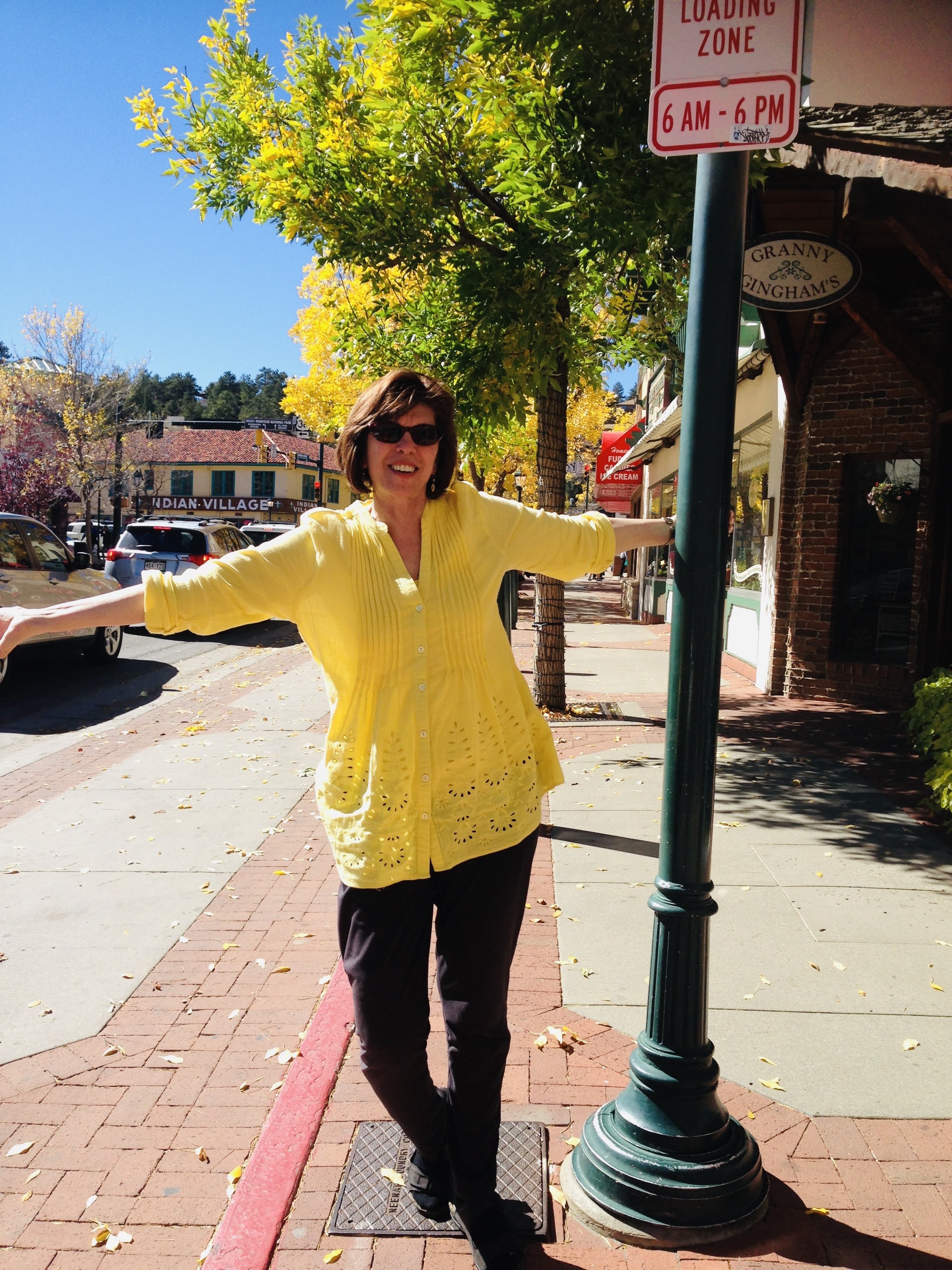
These beliefs get wired into your emotional operating system – often without your realizing it. And unresolved emotional wounds from childhood don’t just disappear with age. They quietly stow away in the backseat of your life…until you enter a relationship. And then? They grab the wheel – and they didn’t even signal.

What’s Familiar Isn’t Always Healthy

In Hillbilly Elegy, Vance talks about the emotional whiplash of growing up with a mother who cycled through addiction, anger, and brief stints of calm. That kind of instability becomes a blueprint. It teaches you: “This is what love looks like. You expect it to come with strings, rejection or yelling.”

Romantic Relationships Trigger Those Old Wounds

Why? Because close relationships mimic the emotional intimacy of your early family environment. Your partner becomes the mirror – and suddenly you’re reacting to them like you reacted to your parents, caregivers, or early experiences.

This might look like:

• Clinging to someone who pulls away.

• Shutting down emotionally when things get hard.

• Constantly needing reassurance, even if you’re with someone secure.

When real love appears – stable, safe, and without drama – it can seem unfamiliar and dull. You might sabotage it just to feel something familiar.

You’re not crazy. You’re triggered.

The subconscious mind wants resolution. It repeats familiar patterns, hoping this time the ending will be different.

What Do You Do? The Brain is Not Being Cruel – It’s Trying to Heal

1. Get honest about your past. Awareness is always the first step toward healing.

2. Recognize how your past has shaped you – without letting it define you.

3. Do the hard, brave work of rewriting the script.

That means:

a. Therapy. Coaching. Honest Conversations

b. Learn to set boundaries. (Yes! I Said No! is a great resource!)

c. Choose partners who are healthy, not just familiar.

Healing Is Possible (And It’s Not Too Late)

As a Licensed Professional Counselor, I help people untangle the past so they can finally build relationships rooted in truth, trust, and healthy boundaries. Start your healing journey with my book, Yes! I Said No! or reach out to schedule a counseling session with me at www.BarbraRussellcom.

Because healing isn’t just possible – it’s powerful.

Here’s to your best life! Barbra

A 5-year Journey to Healing: Tying Knots and Finding Hope

A 5-Year Journey to Healing: Tying Knots and Finding Hope

April 1st marks a significant milestone for the Russell family - five years since our world was turned upside down. Five years since Dane, our vibrant son, was suddenly struck with a debilitating illness, leaving him bedridden and we, his parents, feeling helpless, stressed, and bewildered.

A question echoes in our minds: how could this once healthy, vibrant individual, a teacher and counselor admired by many, become a mere shadow of his former self?

Dane had already battled through thyroid cancer and open-heart surgery, only to face yet another daunting challenge. April 1st, 2019, for many, signaled the onset of isolation due to the Covid-19 pandemic. But for the Russell’s, it marked the beginning of a different kind of isolation, one of medical uncertainty and emotional turmoil.

Doctors struggled to pinpoint the exact cause of Dane's condition, let alone offer a viable treatment. The consequences were devastating - Dane lost his job, his home, and worst of all, his health, all in one fell swoop. Nights were spent in the ER, with needles, prodding, and prayers offering little relief. "I don't want to live like this!” Dane cried, and that anguished cry echoed in my ears day and night; yet I remained helpless.

In the midst of medical interventions and desperate prayers, we could only cling to hope. We plastered Dane's room with healing scriptures, filled the air with worship music, but still, nothing changed.

What do you do when you reach the end of your rope? You tie a knot and hang on, as the saying goes. And that's precisely what we did, clinging to each other and our faith with unwavering determination.

Then, in the fall of 2023, a glimmer of hope emerged. We attended Andrew Womack's Healing Conference, where, though no instant miracle occurred, Dane began to slowly improve. Encouraged by this progress, Dane took a leap of faith and enrolled in Charis Bible College, where he found solace and healing amidst a supportive community.

And now, on this April day, our family embarks on a journey we were forced to abandon five years ago. We visit Glenwood Springs, indulge in the soothing waters of the Hot Springs, and stroll through Vail, surrounded by the hustle and bustle of skiers

We marvel at the majestic beauty of Garden of the Gods, relishing in Dane's infectious laughter and radiant smile once more.

For us, this journey has been one of resilience, faith, and unwavering hope. Now we want to stand as a beacon of encouragement to all who find themselves in the midst of their own dark night of the soul.

As the old saying goes, when you reach the end of your rope, tie a knot and hang on.” For if there's healing for Dane, there's healing for you. If there’s hope for Dane, there’s hope for your situation, no matter how dire.

Tie a Knot and Hang On!